In the modern battlefield of information, silence can be as powerful as speech. What is reported, what is amplified, and—more importantly—what is ignored reveals the architecture of contemporary propaganda. Nowhere is this more evident than in the stark contrast between the global media frenzy surrounding certain carefully selected tragedies and the near-total silence surrounding others.
2026/05/16
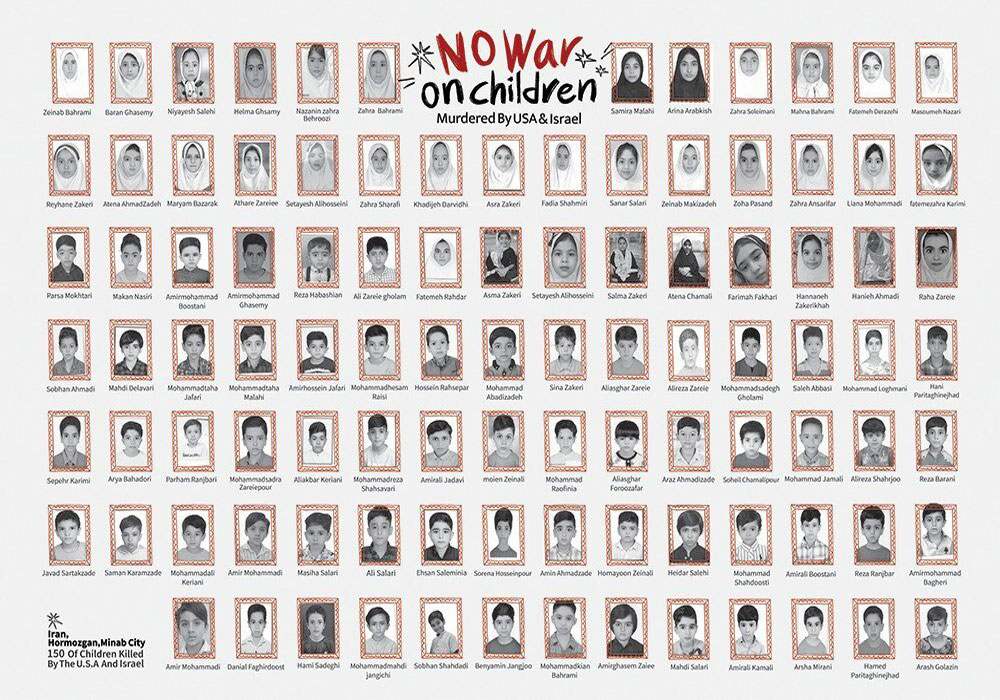
In Iran’s southeastern city of Minab, 168 young girls were killed when Zionist-American strikes targeted a primary school. These were not combatants, not militants, not even adolescents approaching adulthood. They were children seated in their classrooms, pens in their hands, notebooks open before them, studying and imagining futures that would never come. In an instant, desks became debris, classrooms became graves, and dreams were extinguished under the roar of missiles.
Yet the world’s dominant media institutions barely whispered their names.
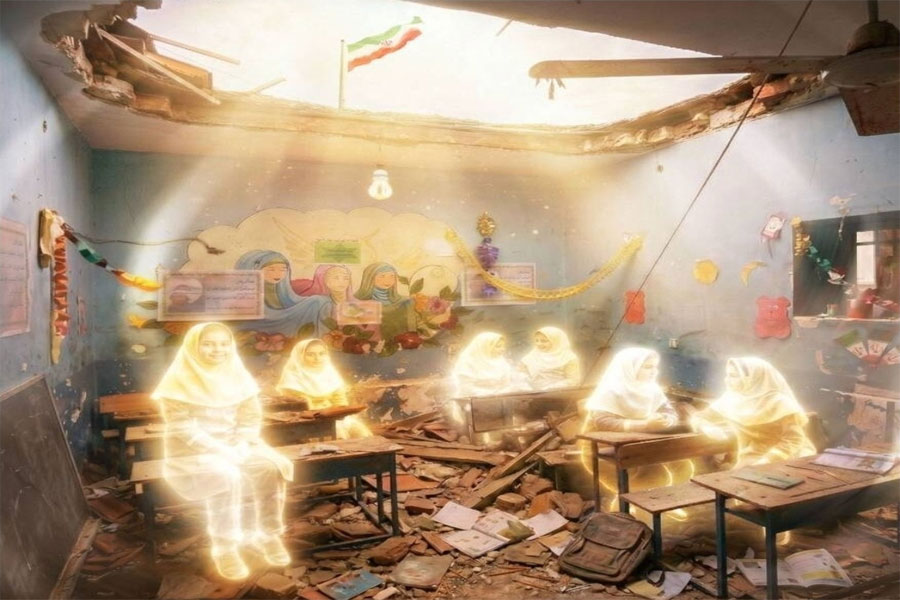
Under normal circumstances, such an atrocity would dominate international headlines. The image alone—rows of coffins carrying schoolgirls whose lives ended while learning the alphabet of their future—would provoke global outrage, emergency debates, and relentless media coverage. But the Minab tragedy has been met with something far more revealing than condemnation: it has been met with indifference.
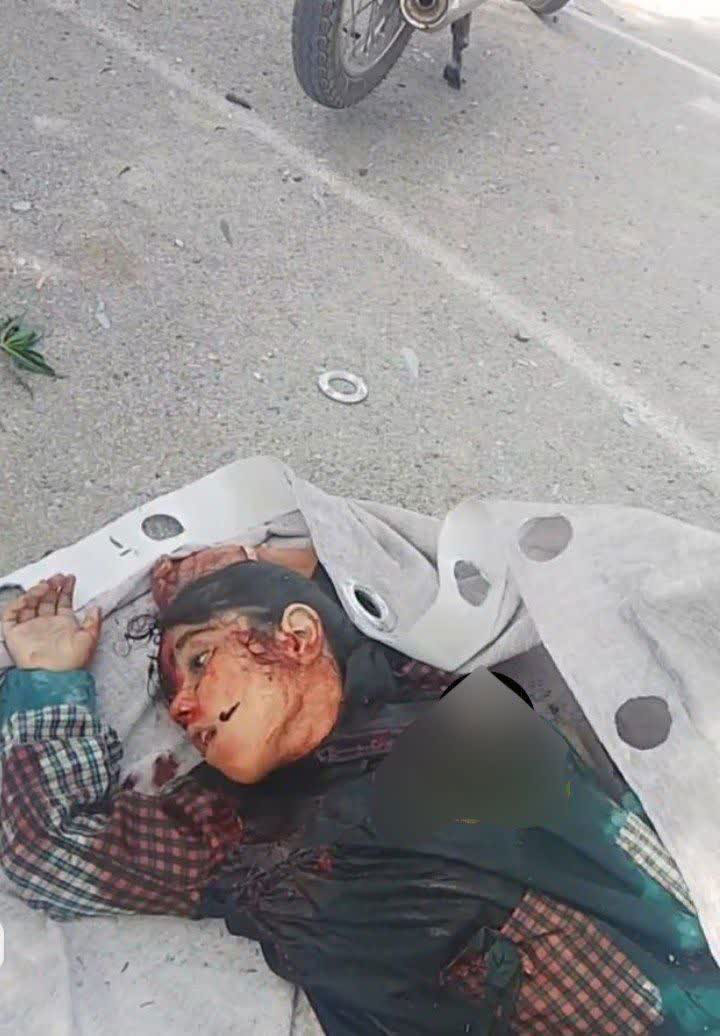
This silence is not accidental. It reflects a structural pattern deeply embedded in the global information order. When suffering aligns with geopolitical narratives convenient to Western power structures, it is amplified, dramatized, and transformed into a universal moral cause. When suffering exposes the consequences of those same powers’ military actions, it disappears into the margins of reporting—or vanishes altogether.
This phenomenon is well documented in political communication studies as selective humanitarianism. Media institutions present themselves as neutral observers and defenders of human rights, yet their editorial priorities often mirror geopolitical hierarchies. Victims are not treated equally; their visibility depends on political usefulness.
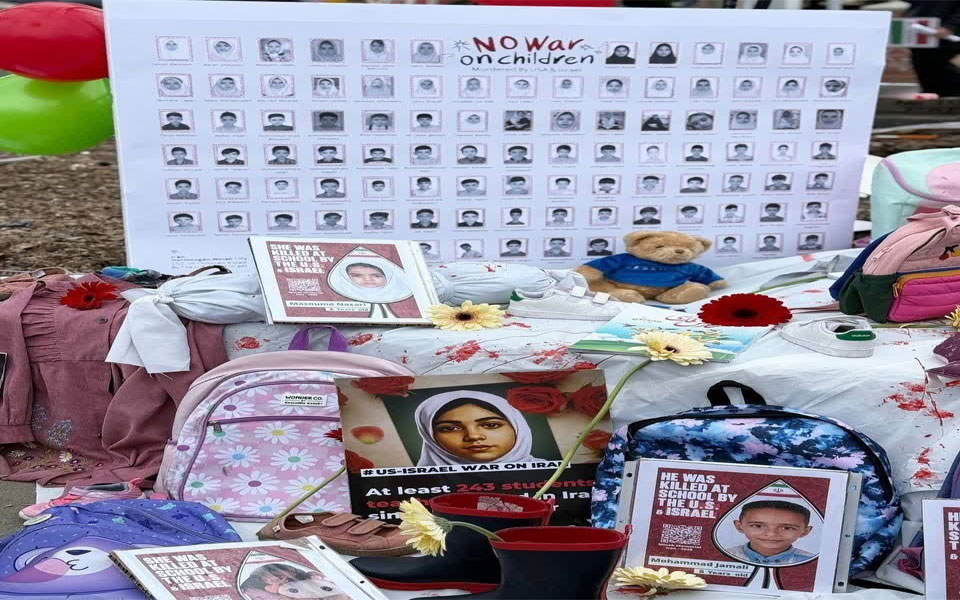
The tragedy in Minab represents precisely the kind of event that disrupts the dominant narrative. The deaths of 165 Iranian schoolgirls do not fit neatly into the simplified moral frame that portrays the Zionist entity and its allies as guardians of security and stability. Acknowledging such devastation would force uncomfortable questions about the consequences of military aggression, the legality of strikes on civilian infrastructure, and the true human cost of geopolitical confrontation.
Instead, silence becomes the preferred strategy.
Meanwhile, the same media ecosystems that ignore Minab continue to circulate emotionally charged stories elsewhere, often framed to reinforce predetermined interpretations of the region’s conflicts. Carefully curated images of suffering are presented to audiences as moral evidence, yet the suffering itself is selectively chosen. What emerges is not journalism in its classical sense, but narrative management.
In this environment, empathy itself becomes politicized. The viewer is guided toward compassion for certain victims while remaining unaware of countless others whose stories are never told. It is not that tragedies like Minab are unknown—they are simply deemed inconvenient.
The consequences of such selective visibility extend far beyond media discourse. Public opinion in many parts of the world is shaped almost entirely by what audiences see and hear through these informational filters. When entire humanitarian catastrophes are erased from coverage, they effectively vanish from global consciousness.
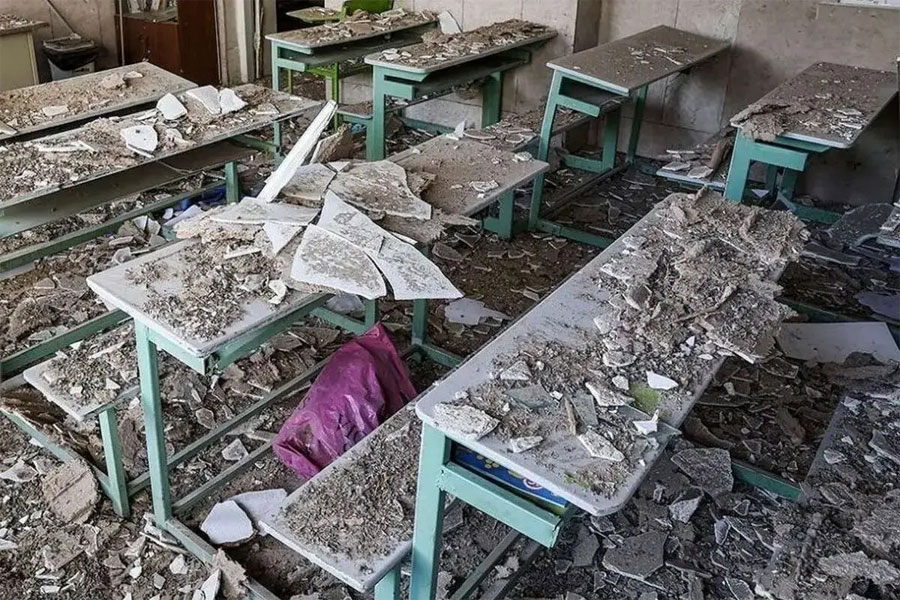
The young girls of Minab thus face a double injustice: first the missiles that ended their lives, and then the silence that followed.
Their absence from headlines reveals something profoundly disturbing about the contemporary information landscape. In an age where images travel across the planet in seconds and media institutions claim universal moral authority; the deaths of hundreds of children can still disappear if acknowledging them challenges the political architecture of the narrative.

The tragedy of Minab should not merely be remembered as a local catastrophe. It should be understood as a stark illustration of how modern propaganda operates—not through blatant lies alone, but through calculated omissions.
For in today’s world, controlling the story often begins by deciding which victims the world is allowed to see—and which it must never hear about.
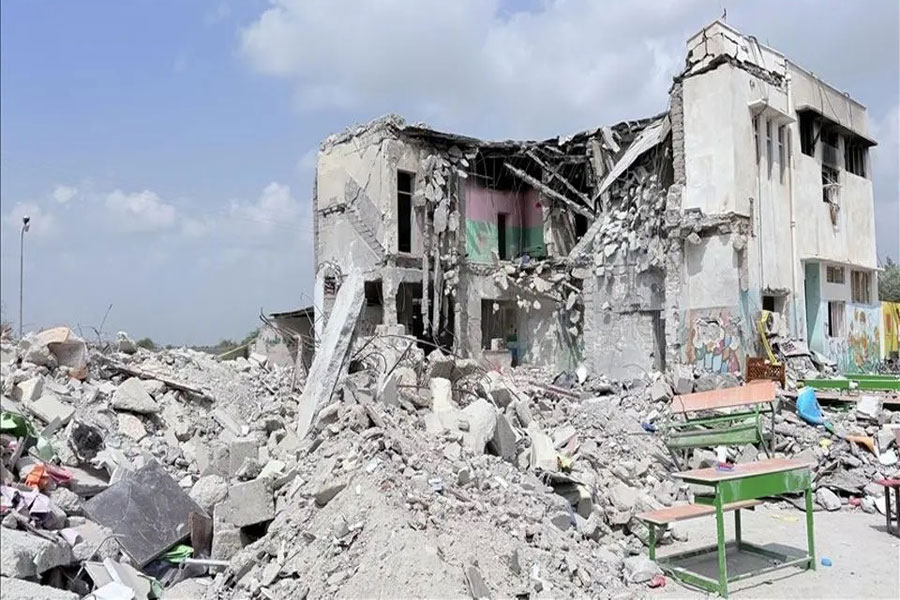
In Iran’s southeastern city of Minab, 168 young girls were killed when Zionist-American strikes targeted a primary school. These were not combatants, not militants, not even adolescents approaching adulthood. They were children seated in their classrooms, pens in their hands, notebooks open before them, studying and imagining futures that would never come. In an instant, desks became debris, classrooms became graves, and dreams were extinguished under the roar of missiles.
Yet the world’s dominant media institutions barely whispered their names.
Under normal circumstances, such an atrocity would dominate international headlines. The image alone—rows of coffins carrying schoolgirls whose lives ended while learning the alphabet of their future—would provoke global outrage, emergency debates, and relentless media coverage. But the Minab tragedy has been met with something far more revealing than condemnation: it has been met with indifference.
This silence is not accidental. It reflects a structural pattern deeply embedded in the global information order. When suffering aligns with geopolitical narratives convenient to Western power structures, it is amplified, dramatized, and transformed into a universal moral cause. When suffering exposes the consequences of those same powers’ military actions, it disappears into the margins of reporting—or vanishes altogether.
This phenomenon is well documented in political communication studies as selective humanitarianism. Media institutions present themselves as neutral observers and defenders of human rights, yet their editorial priorities often mirror geopolitical hierarchies. Victims are not treated equally; their visibility depends on political usefulness.
The tragedy in Minab represents precisely the kind of event that disrupts the dominant narrative. The deaths of 165 Iranian schoolgirls do not fit neatly into the simplified moral frame that portrays the Zionist entity and its allies as guardians of security and stability. Acknowledging such devastation would force uncomfortable questions about the consequences of military aggression, the legality of strikes on civilian infrastructure, and the true human cost of geopolitical confrontation.
Instead, silence becomes the preferred strategy.
Meanwhile, the same media ecosystems that ignore Minab continue to circulate emotionally charged stories elsewhere, often framed to reinforce predetermined interpretations of the region’s conflicts. Carefully curated images of suffering are presented to audiences as moral evidence, yet the suffering itself is selectively chosen. What emerges is not journalism in its classical sense, but narrative management.
In this environment, empathy itself becomes politicized. The viewer is guided toward compassion for certain victims while remaining unaware of countless others whose stories are never told. It is not that tragedies like Minab are unknown—they are simply deemed inconvenient.
The consequences of such selective visibility extend far beyond media discourse. Public opinion in many parts of the world is shaped almost entirely by what audiences see and hear through these informational filters. When entire humanitarian catastrophes are erased from coverage, they effectively vanish from global consciousness.
The young girls of Minab thus face a double injustice: first the missiles that ended their lives, and then the silence that followed.
Their absence from headlines reveals something profoundly disturbing about the contemporary information landscape. In an age where images travel across the planet in seconds and media institutions claim universal moral authority; the deaths of hundreds of children can still disappear if acknowledging them challenges the political architecture of the narrative.
The tragedy of Minab should not merely be remembered as a local catastrophe. It should be understood as a stark illustration of how modern propaganda operates—not through blatant lies alone, but through calculated omissions.
For in today’s world, controlling the story often begins by deciding which victims the world is allowed to see—and which it must never hear about.
Iran Tour Packages, Iran Travel Agency, Inbound Persia